Stop Limescale Buildup: Your Guide to Cleaning & Descaling Your Kettle
An electric kettle is a beloved appliance in countless homes, a speedy solution for everything from your morning coffee and afternoon tea to instant oatmeal and even quick-cooking pasta. It streamlines your routine and delivers hot water on demand. But beneath that gleaming exterior, a silent enemy might be brewing: limescale buildup. While you strive to keep your countertop appliances sparkling, the real challenge often lies within, where natural minerals in your water can accumulate, affecting everything from the taste of your beverages to the very efficiency of your kettle. Learning how to clean an electric kettle effectively isn't just about aesthetics; it's about preserving flavor, performance, and the longevity of your appliance.The Hidden Threat: Understanding Limescale and Its Impact
Have you ever noticed a cloudy film or white, crusty deposits inside your electric kettle? That's limescale, a common issue stemming from the natural minerals – primarily calcium and magnesium – present in your tap water. When water is heated, these minerals don't evaporate; instead, they are left behind as solid deposits on the heating element and interior surfaces. The speed at which these deposits accumulate is largely tied to the "hardness" of your local water supply. Hard water contains a higher concentration of these minerals, meaning your kettle will likely require more frequent descaling. But why is limescale such a problem? Its impact goes beyond an unsightly appearance:- Altered Taste: Limescale can impart a noticeable, unpleasant taste to your water, subtly (or not-so-subtly) affecting the delicate flavors of your tea, coffee, or even plain hot water for cooking. A pure, clean taste is paramount for a perfect brew.
- Reduced Efficiency: These mineral deposits act as an insulating layer, forcing your kettle's heating element to work harder and longer to bring water to a boil. This not only wastes electricity but also increases the time it takes to get your hot water, diminishing the very convenience your kettle is designed for.
- Decreased Lifespan: The constant strain on the heating element due to limescale can accelerate wear and tear, potentially shortening your kettle's overall lifespan and leading to premature breakdowns.
- Hygiene Concerns: While limescale itself isn't harmful to consume in small quantities, its presence can create a less hygienic environment, potentially harboring bacteria if not cleaned regularly.
How Often Should You Clean and Descale Your Electric Kettle?
Maintaining a clean electric kettle involves a two-pronged approach: routine daily cleaning and periodic deep descaling. Establishing a consistent cleaning schedule is crucial for peak performance and taste.Daily Maintenance: Keeping the Exterior Pristine
While the internal battle against limescale is vital, don't overlook the exterior. Daily wipe-downs prevent stains and keep your kettle looking its best:
- After each use, or at least once a day, use a soft, damp cloth to wipe down the exterior of your kettle. This removes water splashes, fingerprints, and any external residue.
- Follow up with a dry, soft cloth to polish the surface, preventing water spots and restoring its shine.
Interior Cleaning & Descaling: The Limescale Lifeline
The interior of your kettle demands more attention to combat mineral buildup. For optimal results, aim for the following:
- Regular Rinse: After each use, empty any remaining water and give the interior a quick rinse with fresh water. This simple habit can help prevent some mineral accumulation.
- Monthly Descaling (General Use): If you use your kettle daily, a thorough descaling session should be performed at least once a month. This removes the accumulated limescale and restores efficiency.
- More Frequent Descaling (Hard Water Areas): If you live in an area with hard water, you may need to descale your electric kettle every two to three weeks, or even weekly, depending on usage. Pay attention to how quickly deposits form; this is your best indicator.
By making cleaning and descaling a routine habit, you ensure that every cup of tea or coffee tastes perfect, and your kettle serves you faithfully for years to come. For more essential tips on maintaining your kettle, refer to our comprehensive Preserve Flavor & Performance: Essential Electric Kettle Cleaning Guide.
The Go-To Solution: Cleaning an Electric Kettle with Vinegar
When it comes to tackling limescale, white vinegar is a household hero. Its mild acidity makes it incredibly effective at breaking down stubborn mineral deposits without harsh chemicals. It's an accessible, affordable, and environmentally friendly alternative to specialized descaling agents. Here's a step-by-step guide on how to clean an electric kettle using this powerful pantry staple:What You'll Need:
- White vinegar (approximately 1 cup)
- Fresh water
- A soft cloth (for exterior cleaning, optional during descaling)
Step-by-Step Descaling Process:
- Prepare the Vinegar Solution: Fill your electric kettle with a mixture of 1 part white vinegar and 3 parts water. For most standard kettles, this means about one cup of vinegar and three cups of water. Adjust the total volume so the solution covers the limescale buildup, but do not overfill past the "max" line.
- Boil and Steep: Bring the vinegar and water mixture to a full boil. Once it boils, switch off the kettle and allow the solution to stand. For mild buildup, 30 minutes to an hour might suffice. For heavy limescale, let it stand overnight. The longer it steeps, the more time the acid has to work its magic and dissolve the minerals.
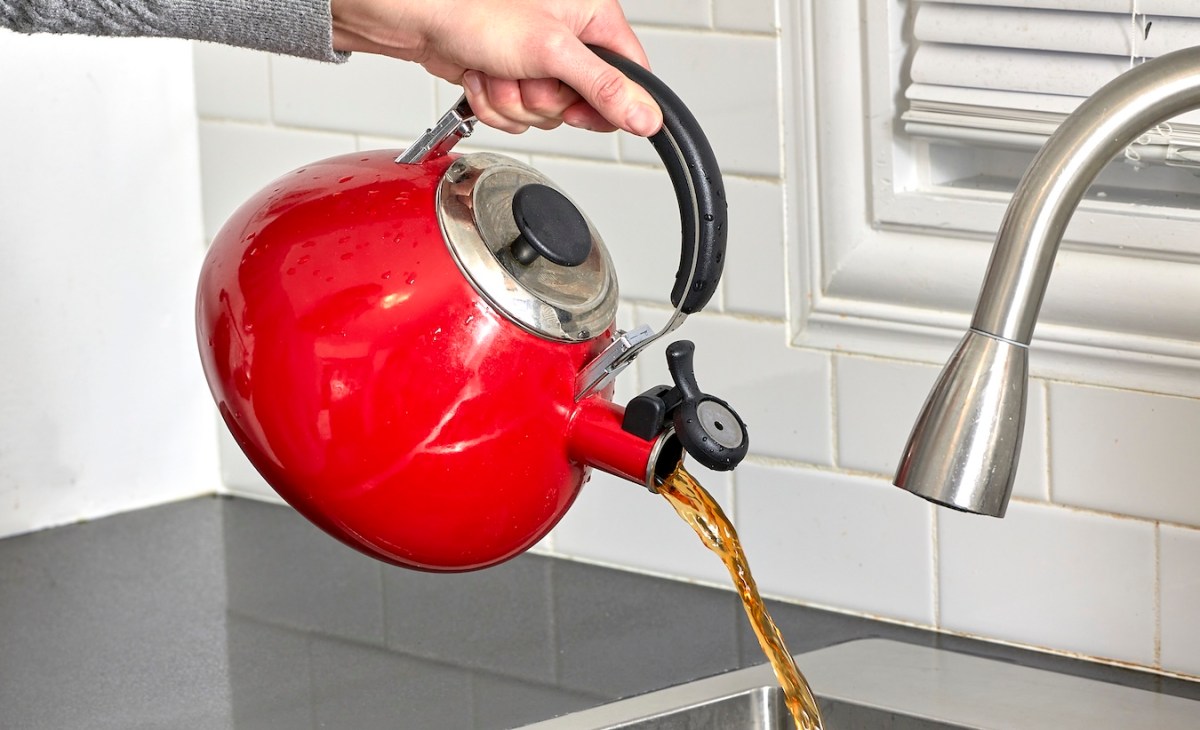
- Drain and Rinse Thoroughly: Carefully pour out the vinegar solution. You should see a noticeable reduction or complete disappearance of the limescale. Now, it's crucial to rinse your kettle thoroughly.
- Boil with Fresh Water (Repeat for Purity): Fill the electric kettle with fresh, clean water up to the "max" line. Bring this water to a boil, then immediately drain it. Repeat this boiling and draining process at least two to three times. This step is essential to remove any lingering vinegar odor or taste from the kettle, ensuring your next cup of tea isn't tainted.
- Final Inspection and Use: After the final rinse, your electric kettle should be sparkling clean and free of limescale. It's now ready for use again, delivering pure, unadulterated hot water.
For more in-depth advice and tips on this method, check out our specific guide: How to Descale Your Electric Kettle with Vinegar for Perfect Taste.
Does Vinegar Damage an Electric Kettle?
Rest assured, cleaning with diluted white vinegar is generally a safe and highly effective way to descale your electric kettle. The mild acidity in vinegar is perfectly suited to break down mineral buildup without harming the stainless steel or plastic components of most kettles. However, as with any appliance maintenance, it's always recommended to refer to your owner’s manual for specific care and cleaning tips pertinent to your model. Some manufacturers might have unique recommendations or warnings, though these are rare for vinegar-based descaling.
Beyond Vinegar: Other Descaling Options and Prevention Tips
While vinegar is a fantastic natural solution, there are other options and preventative measures to consider:Alternative Descaling Agents:
- Lemon Juice: Similar to vinegar, the citric acid in lemon juice can effectively break down limescale. Use a 1:1 ratio of lemon juice to water and follow the same boil-and-steep method.
- Citric Acid Powder: Many commercial descalers use citric acid as their primary active ingredient. You can buy citric acid powder and dissolve a tablespoon or two in water, then boil and steep. This is often odorless and highly effective.
- Commercial Descaling Products: These are specifically formulated to remove limescale and can be very effective, especially for heavily scaled kettles. Always follow the manufacturer's instructions carefully.
Preventative Measures to Reduce Buildup:
An ounce of prevention is worth a pound of cure! Incorporating these habits can significantly reduce the frequency of descaling:
- Empty After Use: Don't leave standing water in your kettle. After you've poured your hot water, empty any remaining water. This prevents minerals from settling and drying onto the surfaces.
- Use Filtered Water: If you live in a hard water area, using filtered water can dramatically slow down limescale accumulation. Water filters remove many of the minerals responsible for buildup.
- Rinse Regularly: A quick rinse of the interior with fresh water after each use helps wash away loose minerals before they harden.
